
Physiotherapy
Revitalize Your Movement: Discover the Power of Physiotherapy at Body Mechanix
Our skilled physiotherapist offers personalized treatment plans to help you recover from injuries, manage chronic conditions, and optimize your physical well-being.
Whether you’re rehabilitating from surgery or seeking relief from pain, our team is here to support your journey to better health.
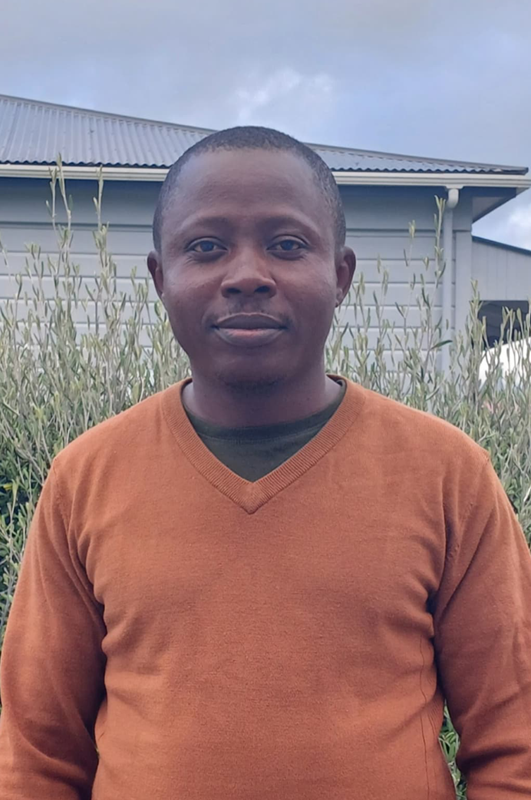
Olayemi Eseyin
Physiotherapist
I am a seasoned physiotherapist with nearly 10 years of working experience, I have successfully rehabilitated diverse patients, restoring mobility and enhancing their quality of life.
I specialise in musculoskeletal disorders and I have a track record of designing tailored treatment plans that have led to a significant reduction in pain and improved functionality.
My commitment to evidence-based practice and continuous learning ensures that I stay at the forefront of the field, which fuels my passion for helping individuals achieve their physical potential.
Outside of my professional life, I am a family person. I love to spend time with my beautiful wife and my two lovely girls. I also love to read to keep up with the current trends in and outside my field.
Call us on 07 578 6080 to book an appointment with Olayemi.

Benefits of Physiotherapy
Pain Relief
Physiotherapy techniques such as manual therapy, exercise prescription, and modalities like ultrasound and electrical stimulation can help alleviate pain from various musculoskeletal conditions and injuries.
Improved Mobility and Flexibility
Physiotherapy exercises and stretches can help improve joint mobility and flexibility, making movement easier and reducing the risk of injury.
Rehabilitation After Injury or Surgery
Physiotherapists design customized rehabilitation programs to help individuals recover strength, function, and mobility after surgery or injury, promoting faster and more effective healing.
Management of Chronic Conditions
Physiotherapy can help individuals manage chronic conditions such as arthritis, fibromyalgia, and chronic pain through targeted exercises, manual therapy, and education on self-management techniques.
Enhanced Balance and Coordination
Physiotherapy exercises and balance training can improve balance and coordination, reducing the risk of falls, especially in older adults.
Prevention of Future Injuries
Physiotherapy helps identify and address underlying movement dysfunctions and imbalances, reducing the risk of future injuries and promoting overall musculoskeletal health.
Sports Performance Enhancement
Physiotherapists work with athletes to optimize their performance by improving strength, flexibility, endurance, and biomechanics, as well as providing injury prevention strategies.
Management of Neurological Conditions
Physiotherapy interventions can help individuals with neurological conditions such as stroke, Parkinson’s disease, and multiple sclerosis improve mobility, function, and quality of life.
Respiratory Rehabilitation
Physiotherapy techniques such as breathing exercises and airway clearance techniques can help individuals with respiratory conditions like asthma, chronic obstructive pulmonary disease (COPD), and cystic fibrosis improve lung function and breathing efficiency.
Education and Self-management
Physiotherapists provide education on injury prevention, ergonomics, posture, and self-management strategies to empower individuals to take an active role in their health and well-being.
Info & Exercises
Elbow
Elbow Pain
Elbow Pain – Exercises
Tennis Elbow
Lower Back
Low Back Pain
Exercising with Lower Back Pain
Self-Care Lower Back Pain
Shoulder
Shoulder Joint Sprain
Shoulder Pain Exercise
Wrist
Wrist Sprain
Wrist Injuries
Wrist Exercises
More Wrist Exercises
More Wrist Exercises 2
Care of Wrist after Fracture